
Sam Rudd: Land & Sea
Inside the Welsh studio of a painter who found her way back to paint — and never looked back.
The studio smells of paint and sea. It sits in an old dairy outbuilding at the edge of a former farmhouse in Wales, its stone walls left deliberately rough, its worktop so layered with colour it has become a painting in itself. From the door, you can see the estuary and the mountains beyond. On quiet mornings, Sam Rudd can hear the seagulls from inside.
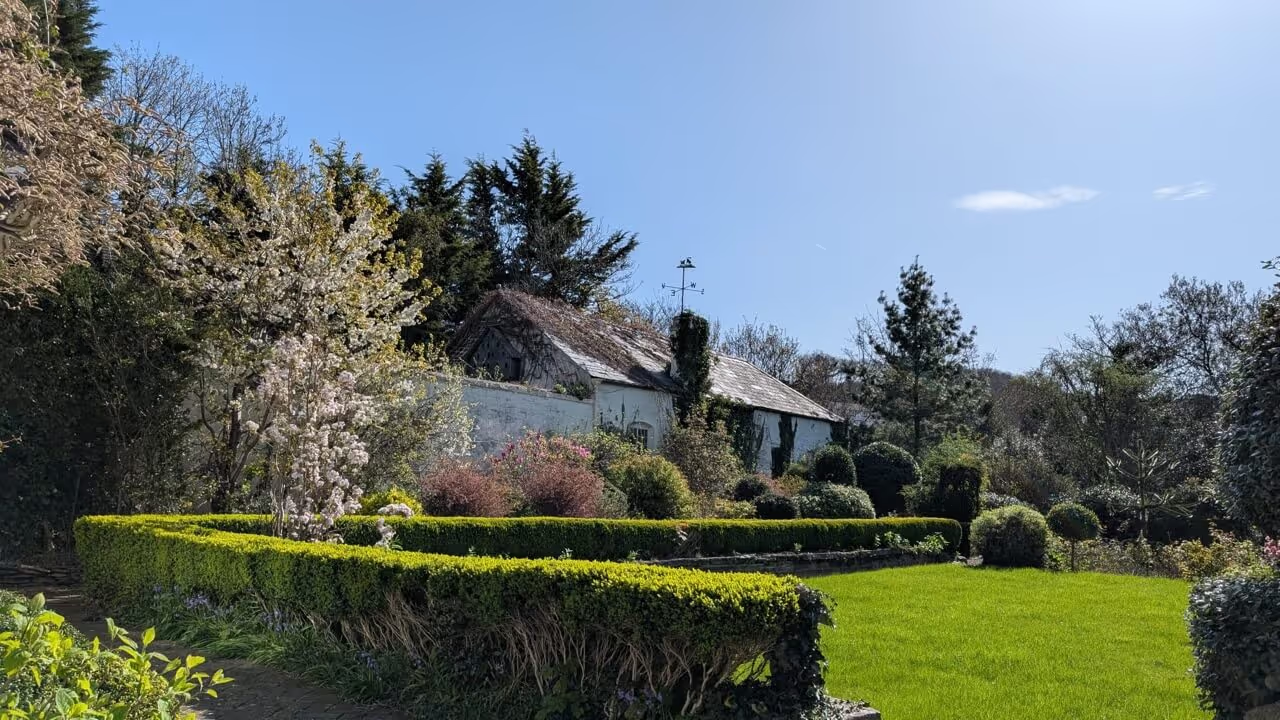
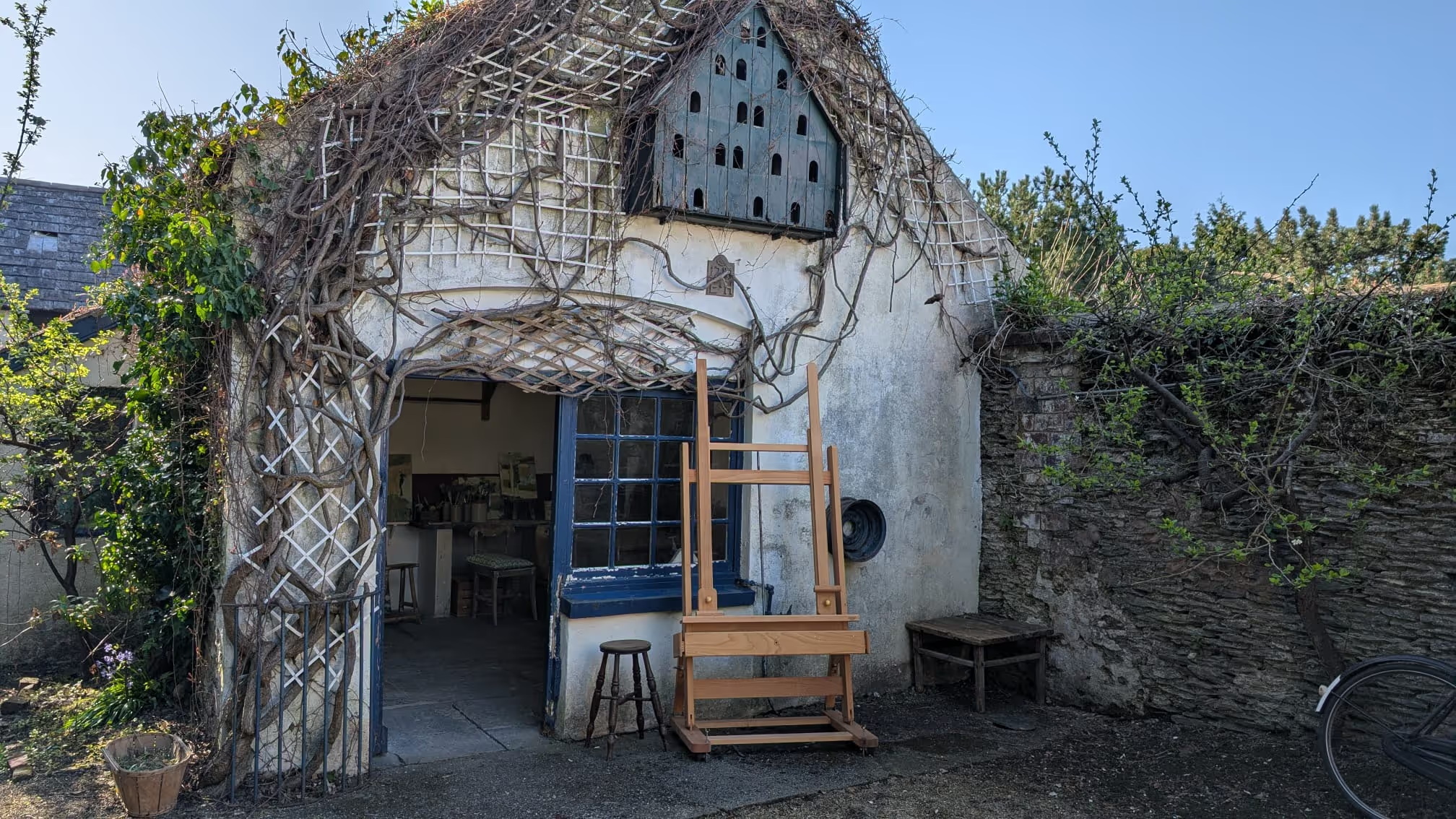
"I feel like I’m in one of my paintings almost,” she says. “All my inspiration comes from the local beaches and coves around the area, just a few miles from here.”
It was not always like this. Sam studied painting and printmaking at art school at eighteen, fell in love with it, then found the solitude unbearable. She moved to London, chased the art world, and left. An MA in illustration followed. Then fifteen years of commissions — newspapers, magazines, book covers, a courier arriving at five o’clock to collect the finished work. Fast, collaborative, structured. A family fitted around it. She was good at it.
Then a textiles business. Fabric printed with her own patterns. Shops. Products. Design work that drew on everything she’d learned about image, colour, and mark. It was a full creative life — just not, quite, the one she’d imagined at eighteen.
.avif)
.avif)
Lockdown closed the textiles business. With time suddenly available, Sam picked up her brushes — just for herself, just to see. The work she made in that first period was, by her own admission, quite bad. She posted it on Instagram anyway. The response was warm, then growing, then surprising. Galleries began to make contact. She realised she could do this.
She never went back to the textiles.
That was six years ago. Since then, she has worked with multiple galleries across the UK, attracted collectors around the world and developed a body of work that moves between semi-abstraction and landscape.
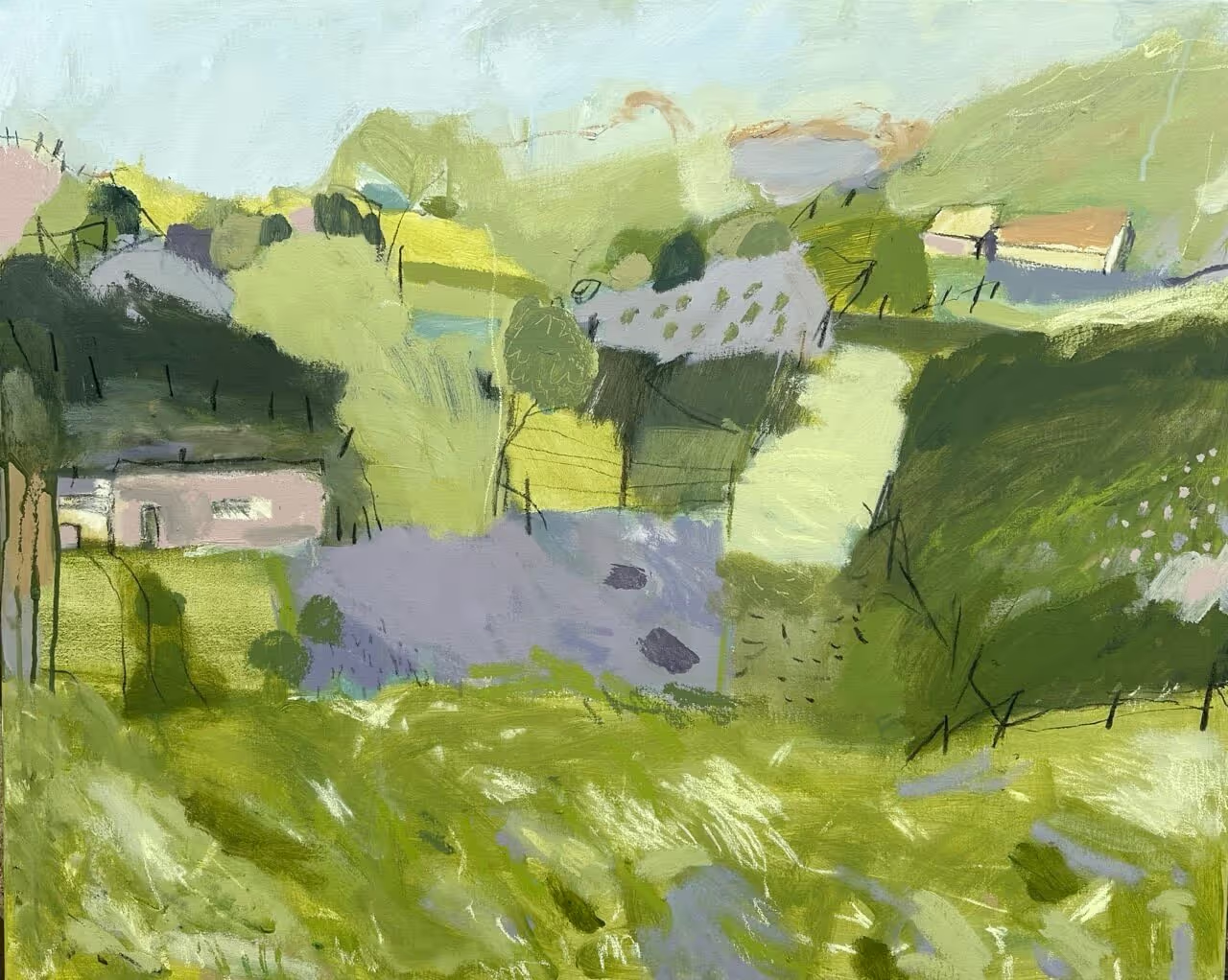
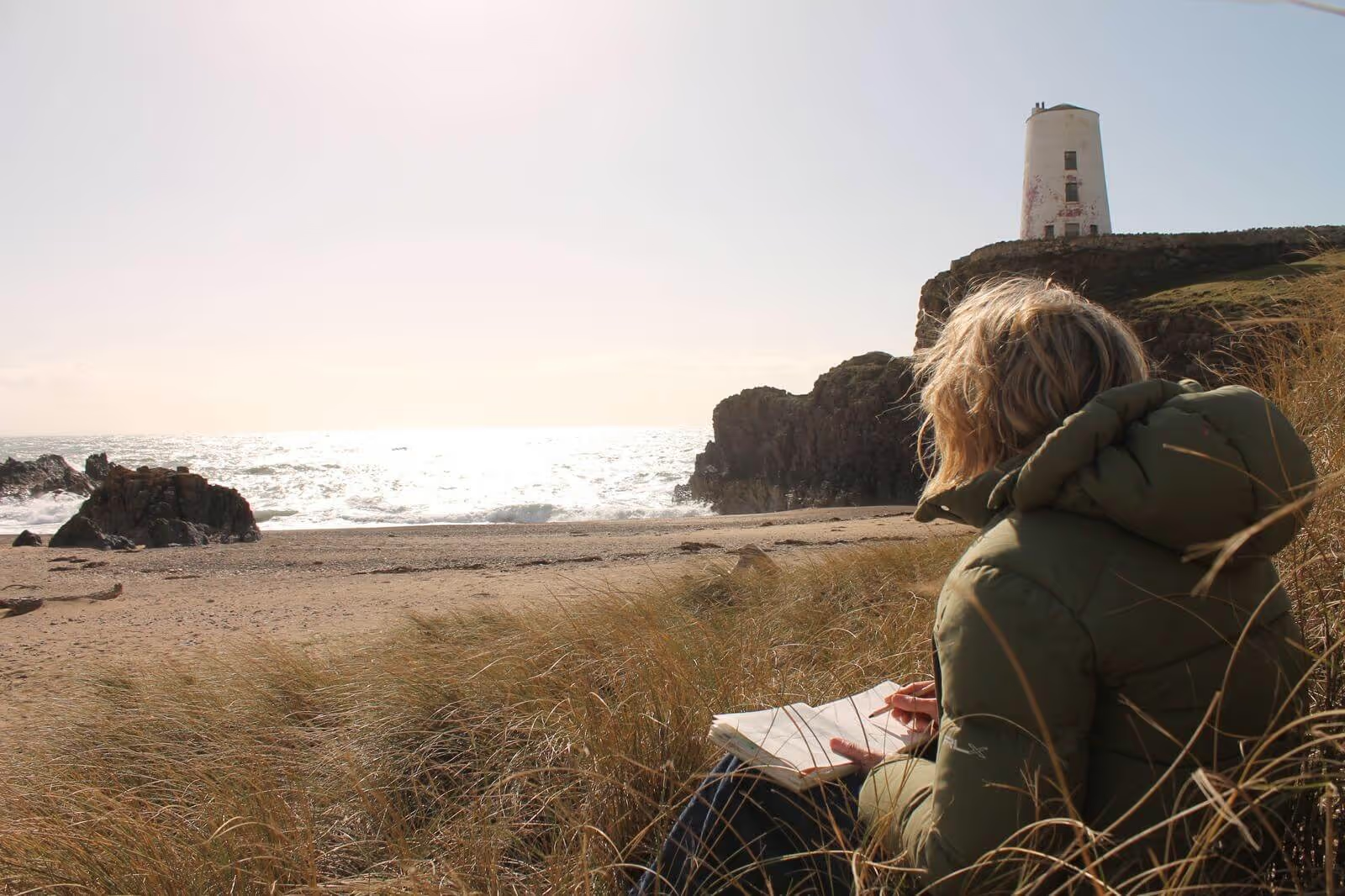
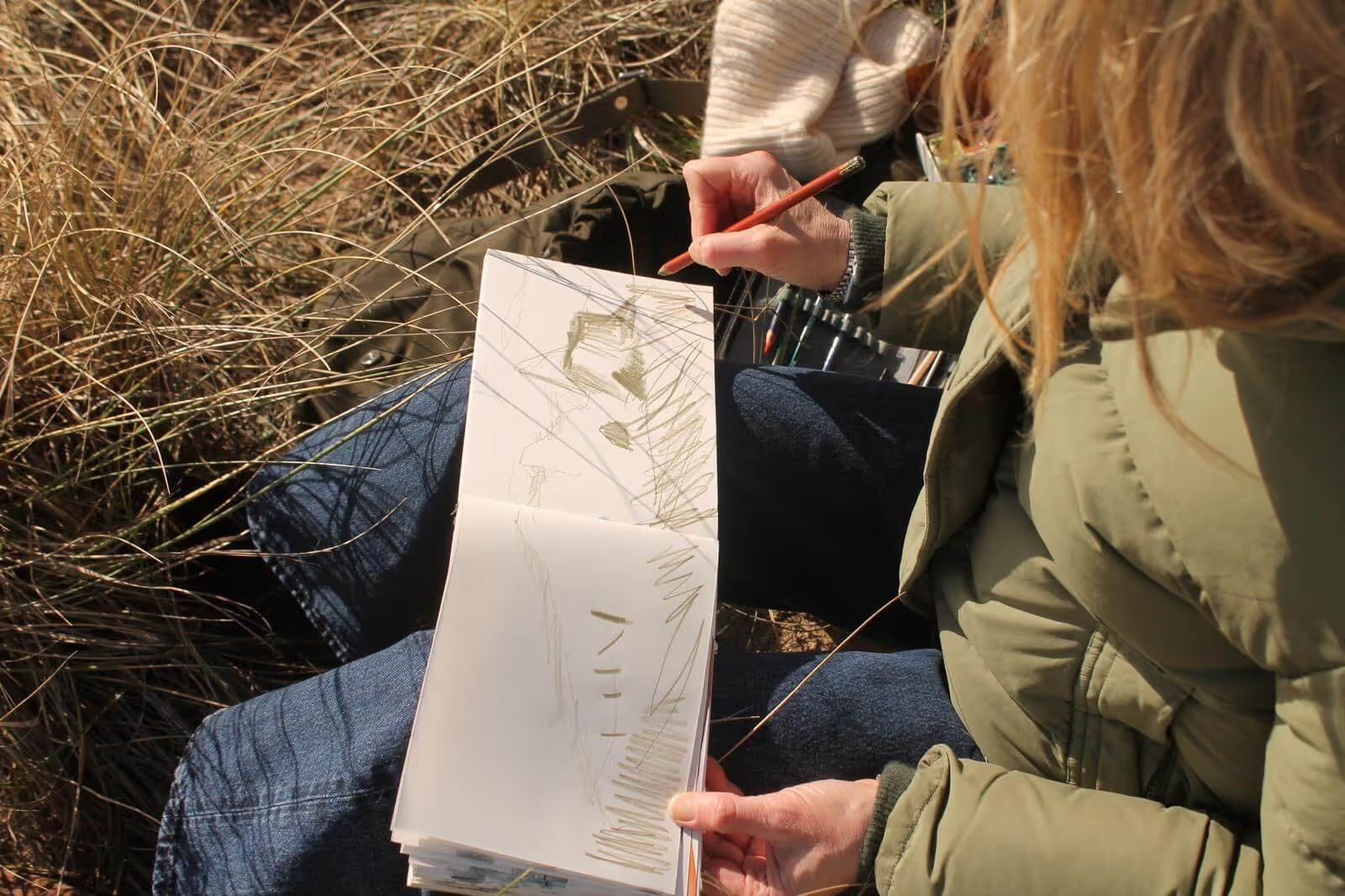
The work begins outside. Sam walks into the landscape with a rucksack and a sketchbook, a small watercolour tray, oil crayons, pencils, anything that makes a different kind of mark. She is not trying to record what she sees. She is trying to gather a feeling.
“The idea of being loose and abstracting the landscape is not to include everything,” she says. “You can just pick out the bits that are really interesting. I’m looking at the mountains framed by the land and the sea and the sky. So they’ve got these three layers going on. So that’s the first thing — looking and choosing.”
She writes notes alongside the sketches. Words about what she is feeling — “still and bright,” she might write, or “damp.” The mountains are in shadow; they look bluey purple. She puts that down to remember. She takes photographs on the way home, not to copy from later, but because the act of looking has fixed things in her memory in a way that matters.
.avif)
Back in the studio, she works from the sketches, never from the photographs alone. Six sheets of paper first. Loose marks, the shapes she noticed, the atmosphere she felt rather than the scene she saw. She moves between them constantly — four pieces, six pieces, sometimes more — keeping herself from becoming precious about any single one.
“I work in a series all the time; I never work on just one piece,” she explains. “I find that allows me to not overthink or overwork one piece, but to experiment and be playful. I haven’t got any pressure to produce this perfect one piece; I’m allowing myself to make mistakes and move between them.”
The tools change constantly. Different brushes, cardboard, a credit card, oil pastels, line work drawn back into the surface. A limited palette — two colours and black and white, mixed into tones — forces decisions. She discovered this by accident and it changed the work entirely.
“That changed my life when I started doing that,” she says simply.
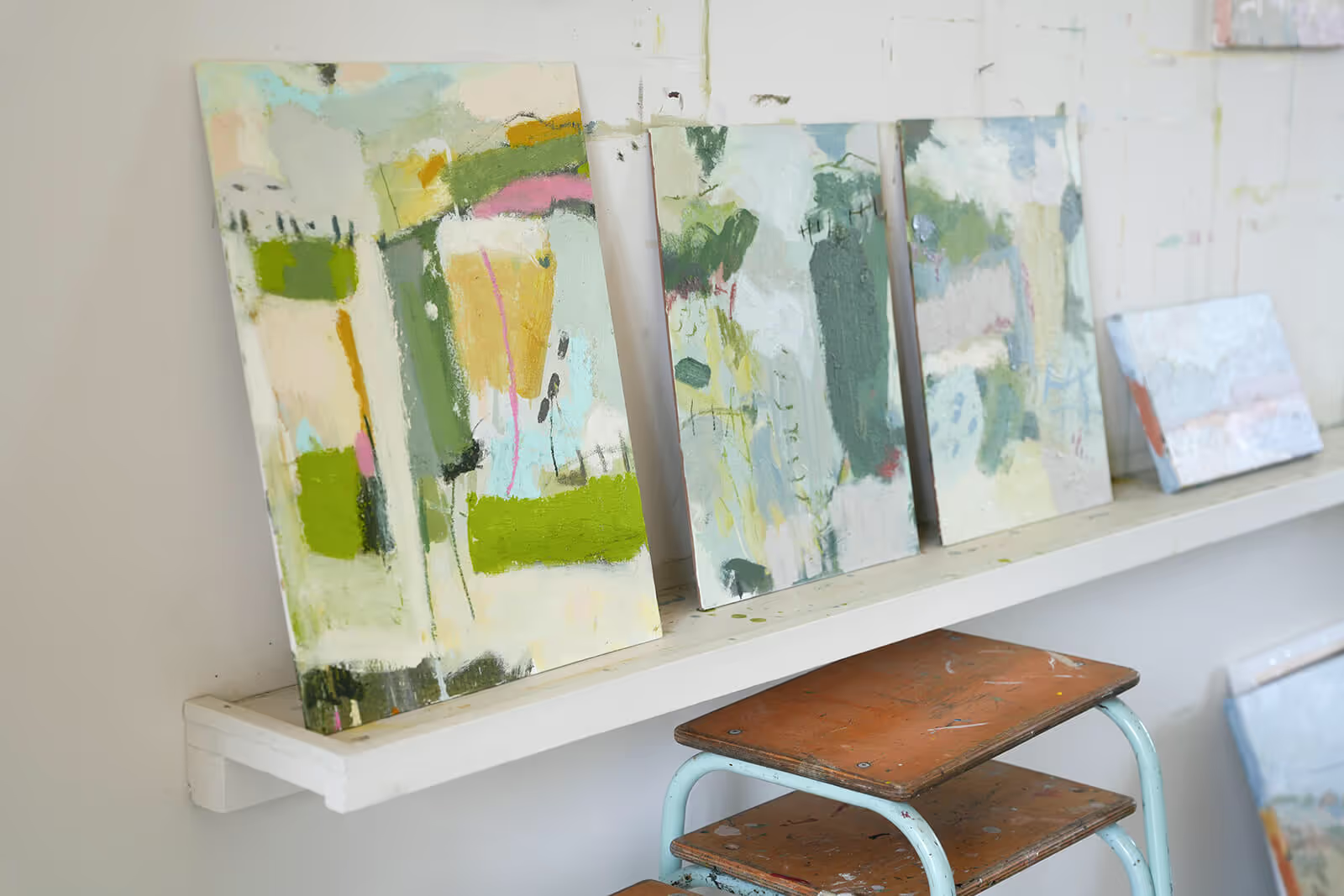
The hardest thing Sam teaches — the thing people ask about most — is the letting go. How to make something loose when everything in you wants to control it. Music helps. Coffee helps. Moving between paintings helps. The best moments in the work are the ones she didn’t plan.
“I discovered that when I just totally relaxed and went with the flow of the work, really exciting things happened,” she says. “I call them ‘happy accidents,’ where things just happen by chance, and I started to realise those are the magic bits. I began to leave those in and incorporate them into the final work.”
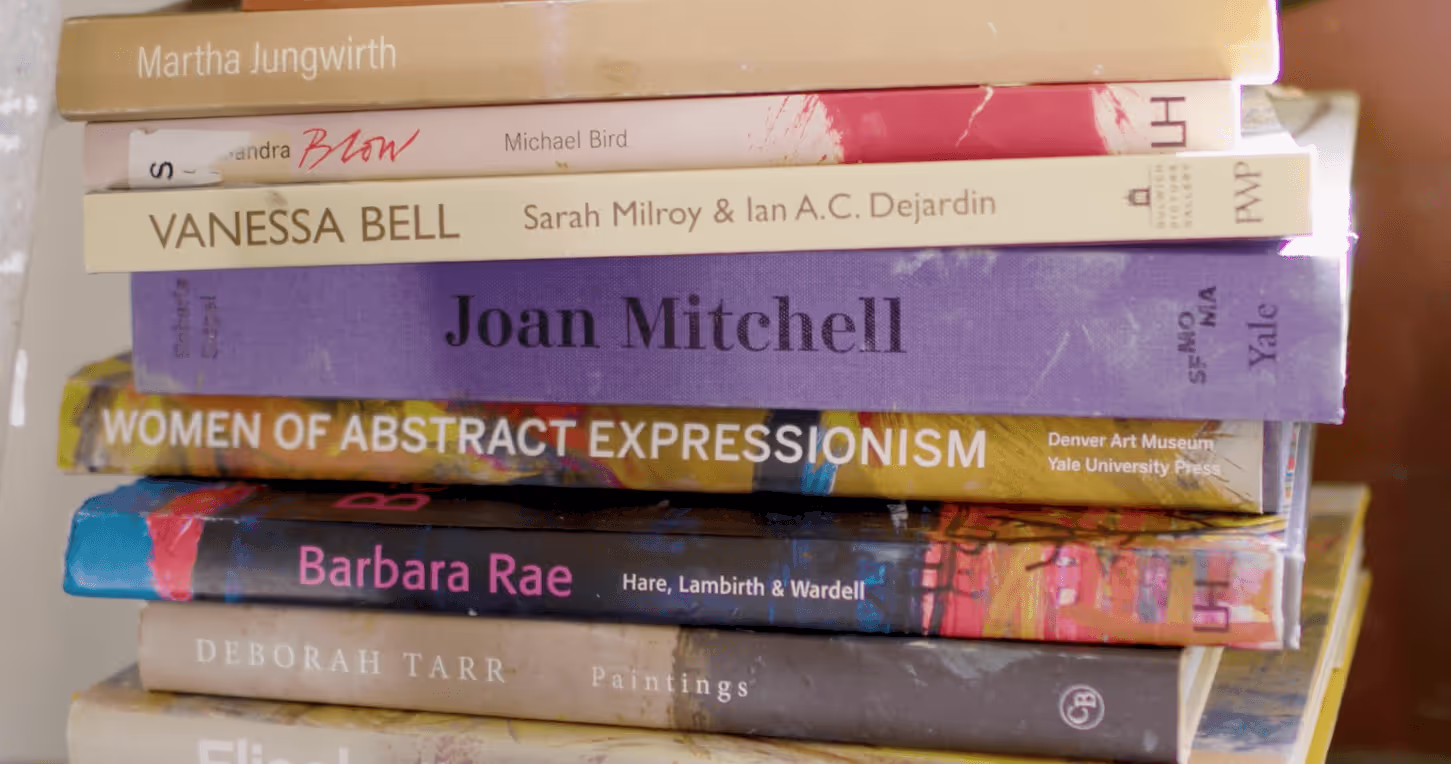
On a shelf in the studio sits a small pile of books — Joan Mitchell, Barbara Rae, Joan Eardley. In an age of endless images, the discipline of choosing carefully what you look at is its own kind of practice.
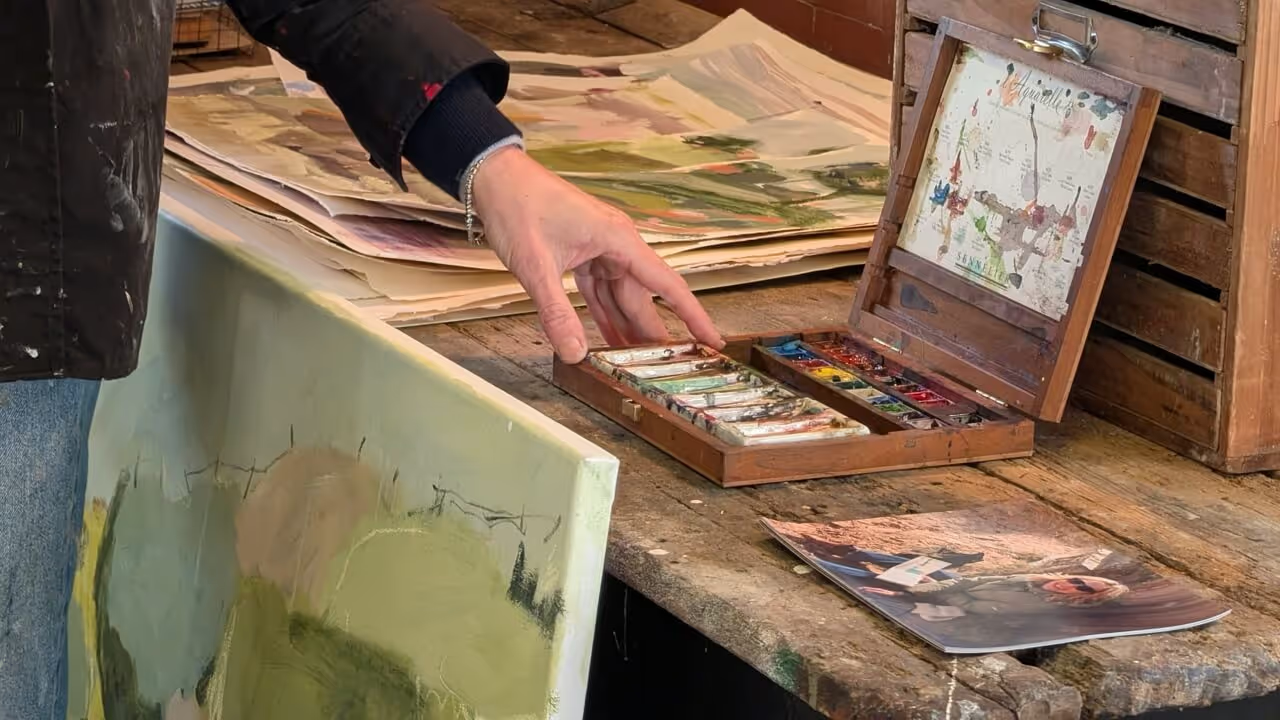
The sketchbooks accumulate. She keeps all of them, going back years.
“They’re almost biographical of where you were with your work at different times,” she says. “It’s really interesting to look back at your old sketchbooks sometimes.”
Her partner took photographs last weekend at Newborough Beach — sea rough, two old lighthouses, sand dunes, a particular quality of light. They are in the chest of drawers now, waiting. That will be the next series.
Sam Rudd’s course, Loosen the Landscape, is now available on Arteway. Over a series of lessons filmed in her Welsh studio, she takes students through her complete process — from sketchbook to series, from the first loose marks to the finishing touches that make a painting sing.
