New online course

Color and Composition

with Wendy Westlake

Learn to design paintings — then set color free.

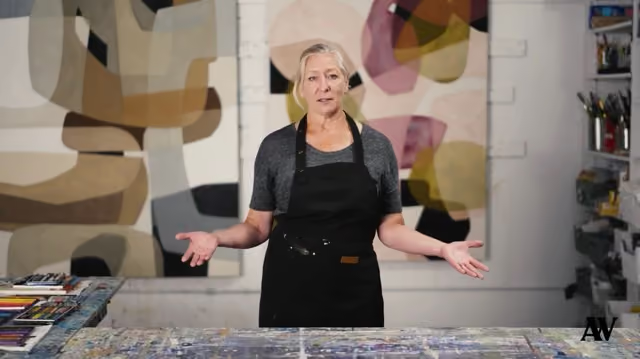
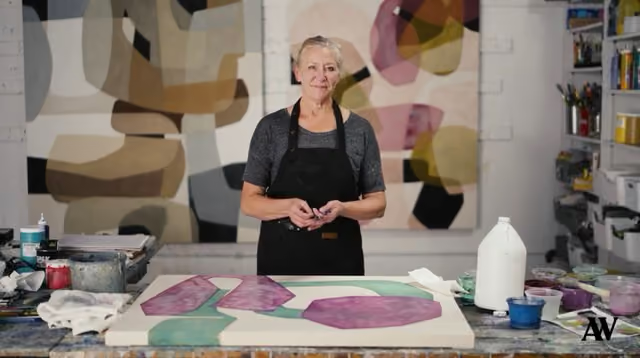
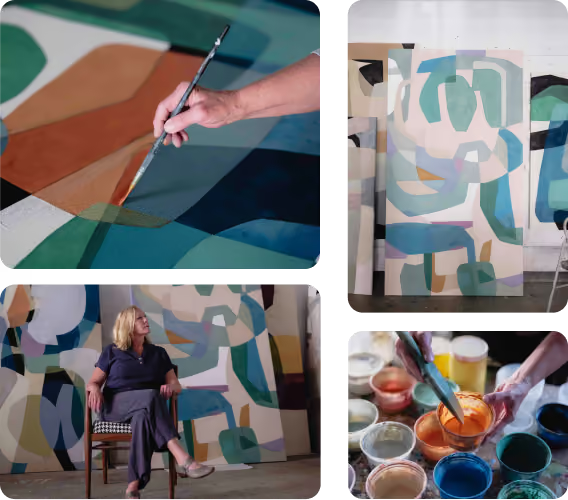
Artist painting abstract shapes, seated beside her colorful abstract art in a studio with paint jars.
Join Now
Lifetime Access | Online Course

Special Launch Discount Ends:

00
Days
:
00
Hrs
:
00
Min
:
00
Sec
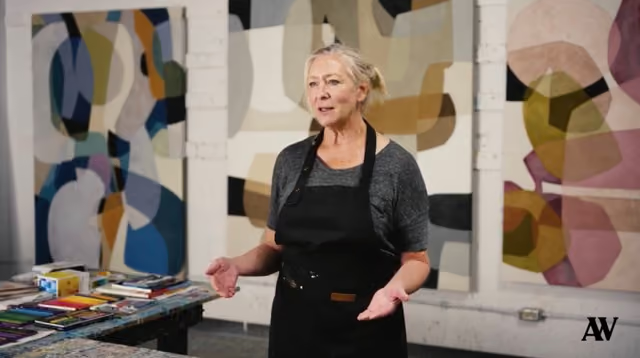
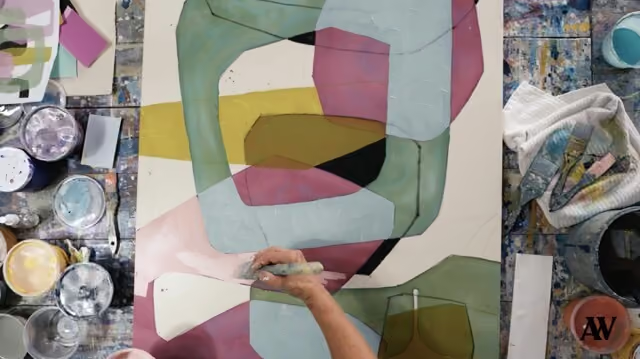
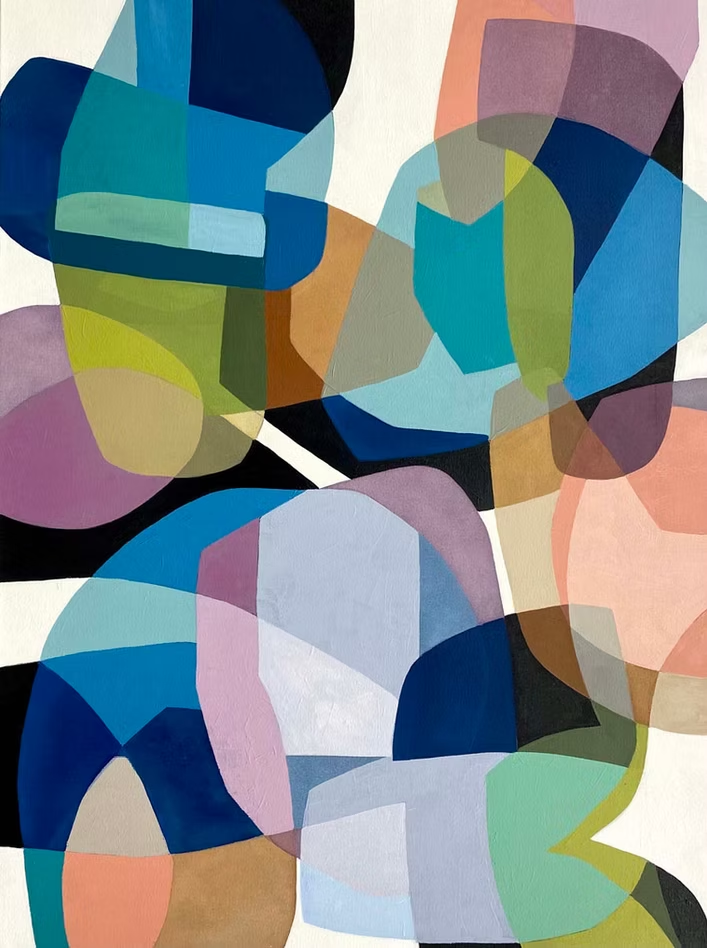
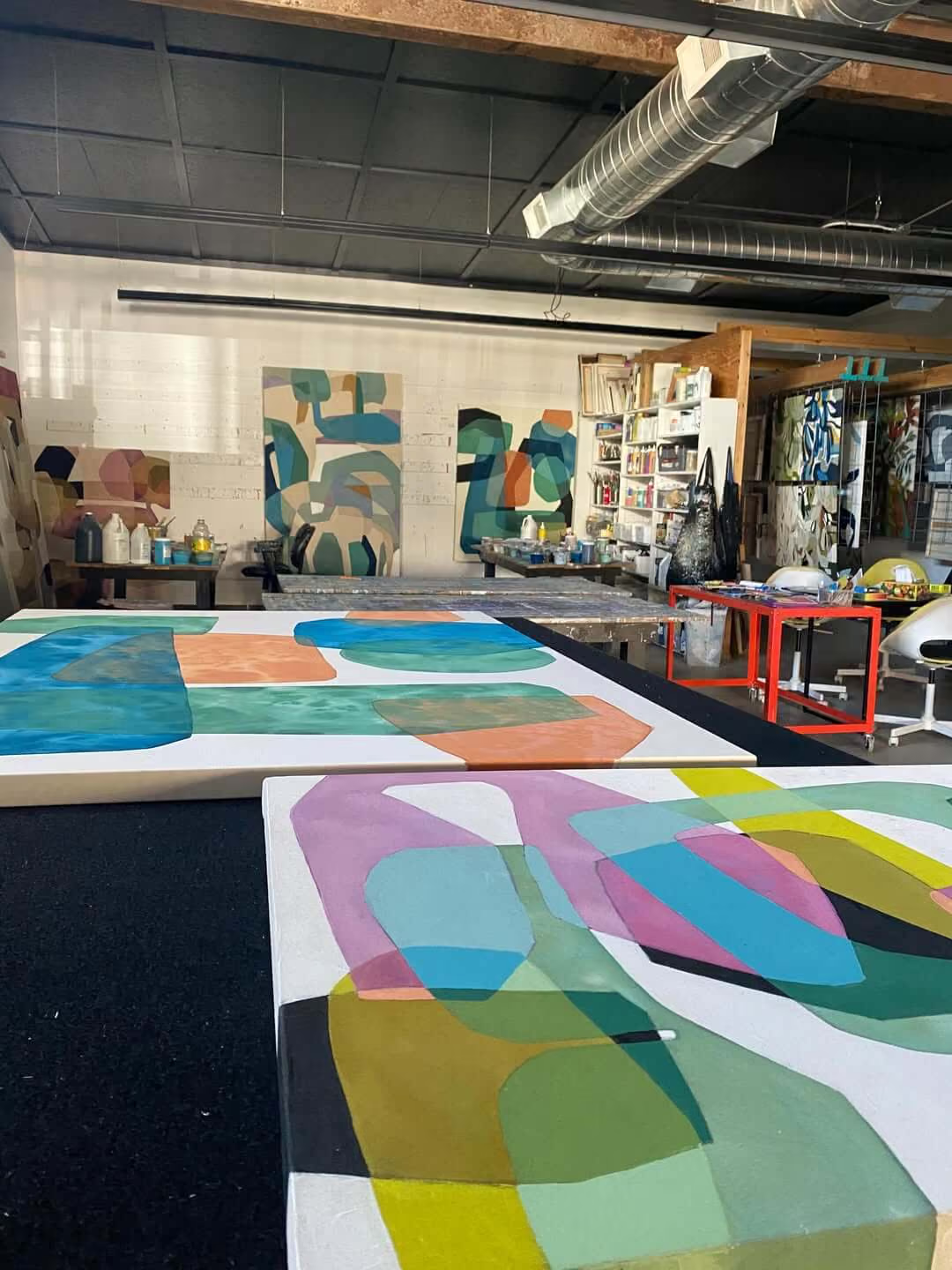
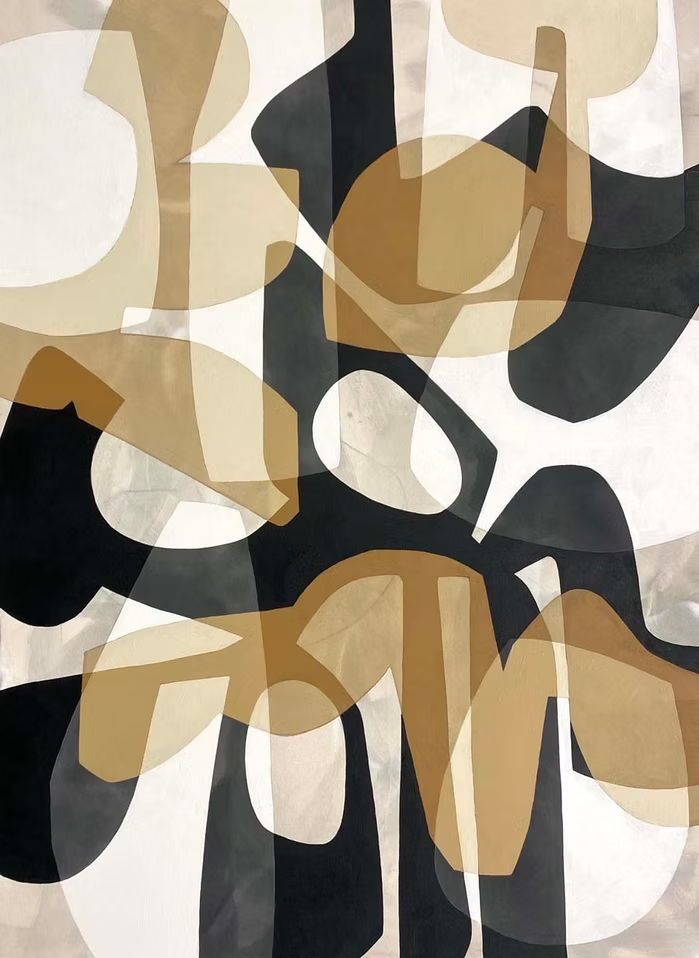
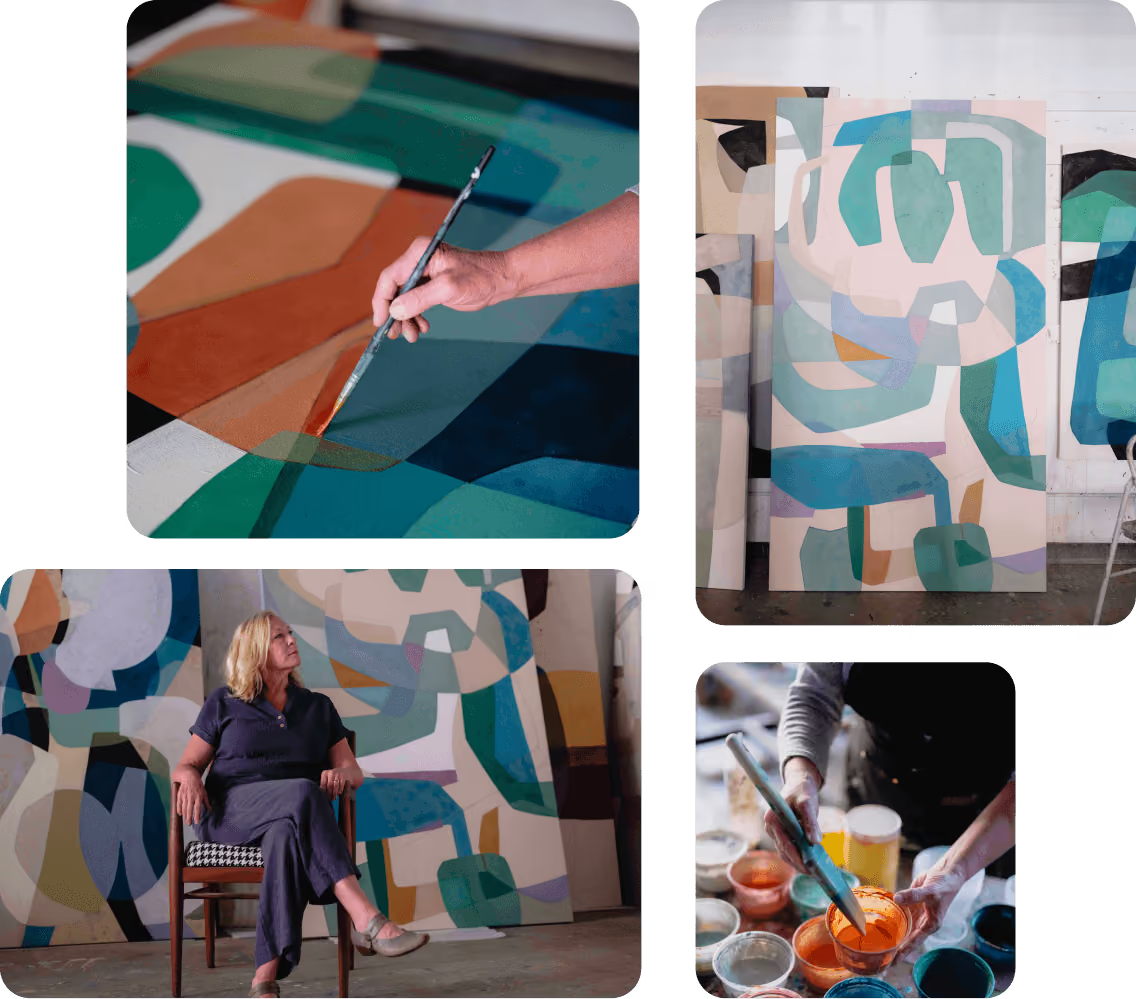
Four images showing an artist painting geometric shapes, colorful paint pots, and abstract artworks.

Design the painting first. Then let color breathe.

Wendy Westlake has spent years developing a process that solves this: a rigorous, learnable design method built on shapes, value, and deliberate palette decisions that frees the brush entirely.

What You’ll Experience

Step inside Wendy’s Minnesota studio and follow her complete process — from the first traced outline on tracing paper to the final opaque mark on raw canvas. This isn’t a follow-along painting class. It’s a design education for painters, built around Wendy’s conviction that structure is not the opposite of freedom — it is the source of it. Every module builds on the last, and by the time paint hits canvas, the hardest decisions are already made.

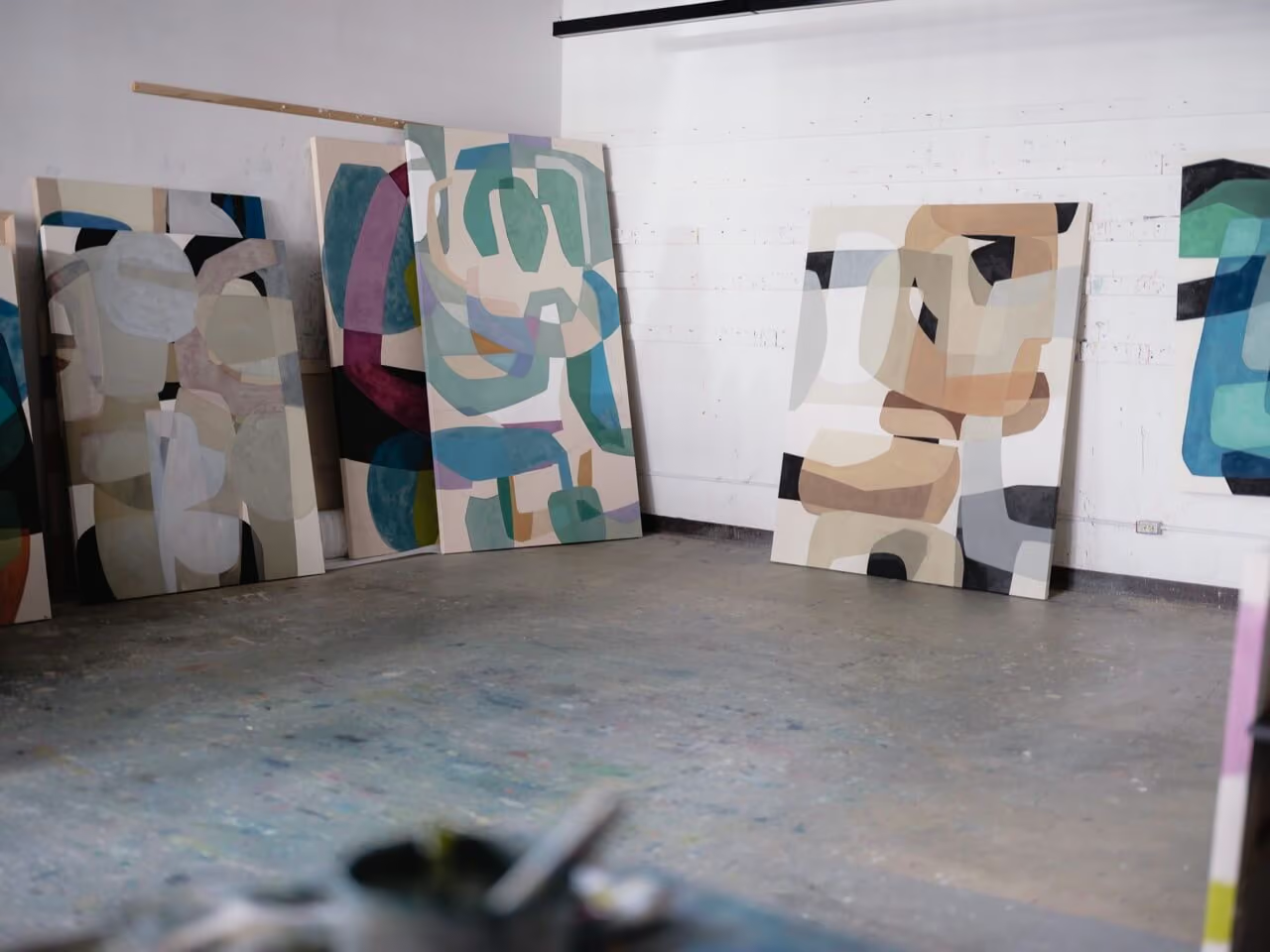
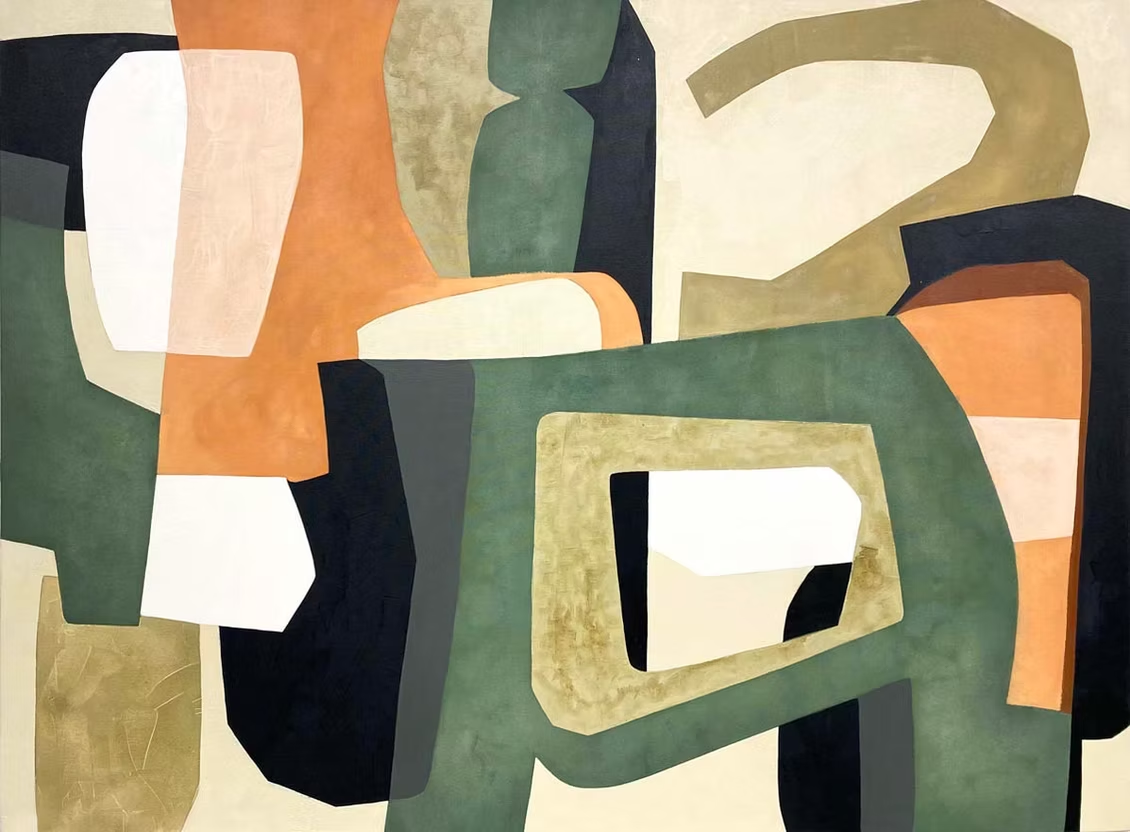
Abstract paintings with geometric shapes and muted colors leaning against a white wall in a studio.
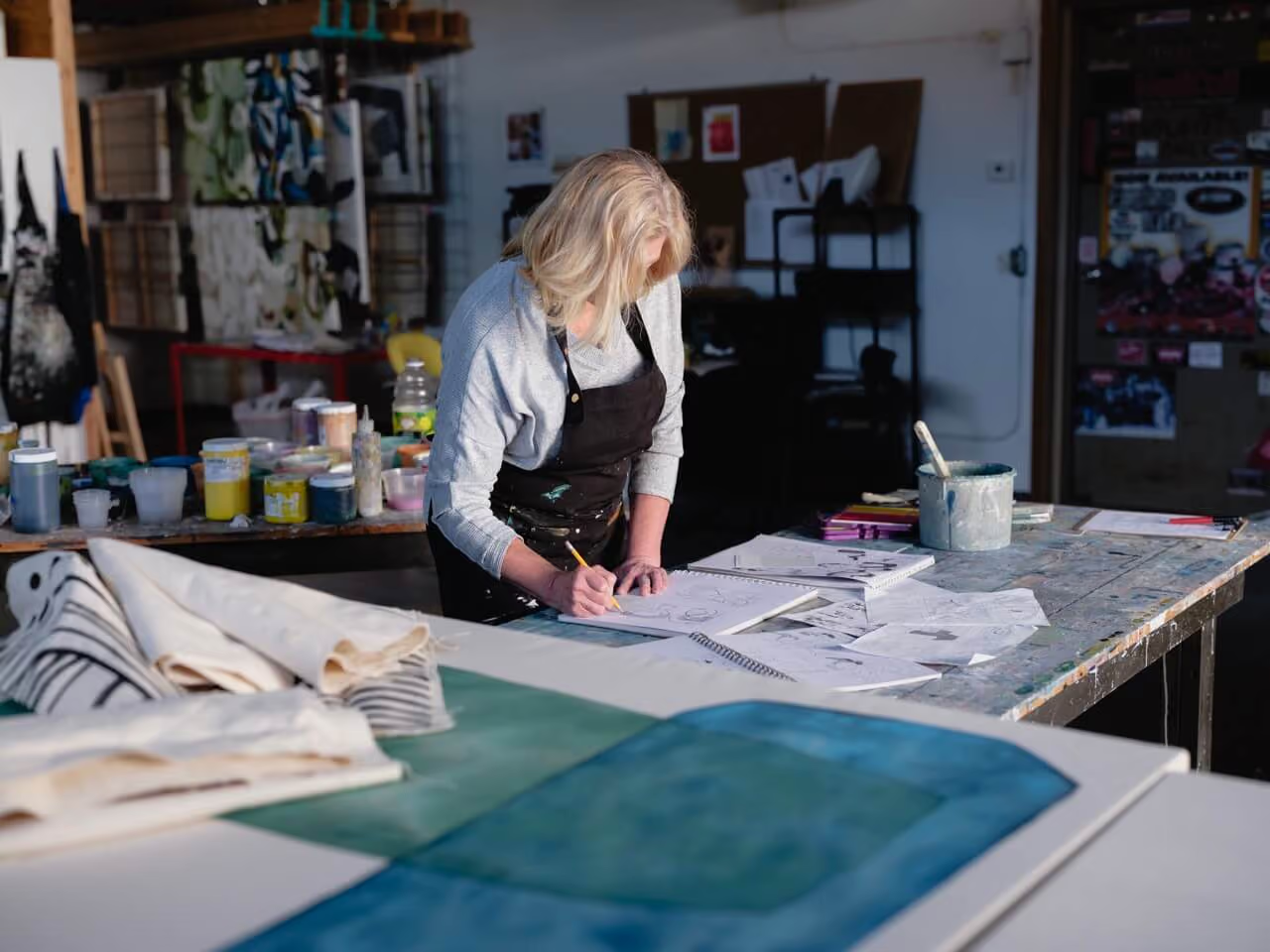
Woman with blonde hair drawing sketches at a cluttered art studio table with paints and papers.
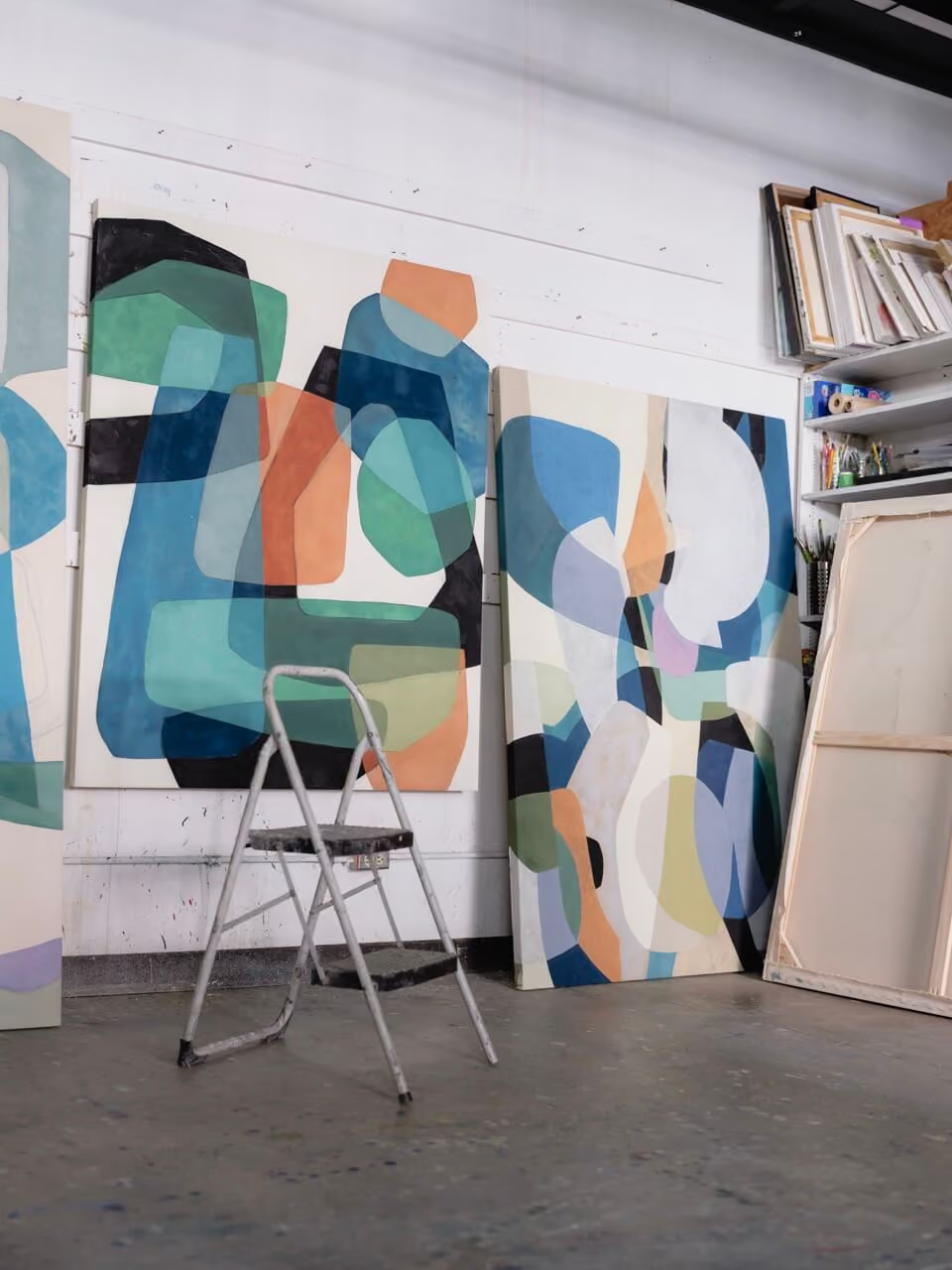
Art studio with abstract paintings in blue, green, orange, and white leaning against wall and a metal step ladder.
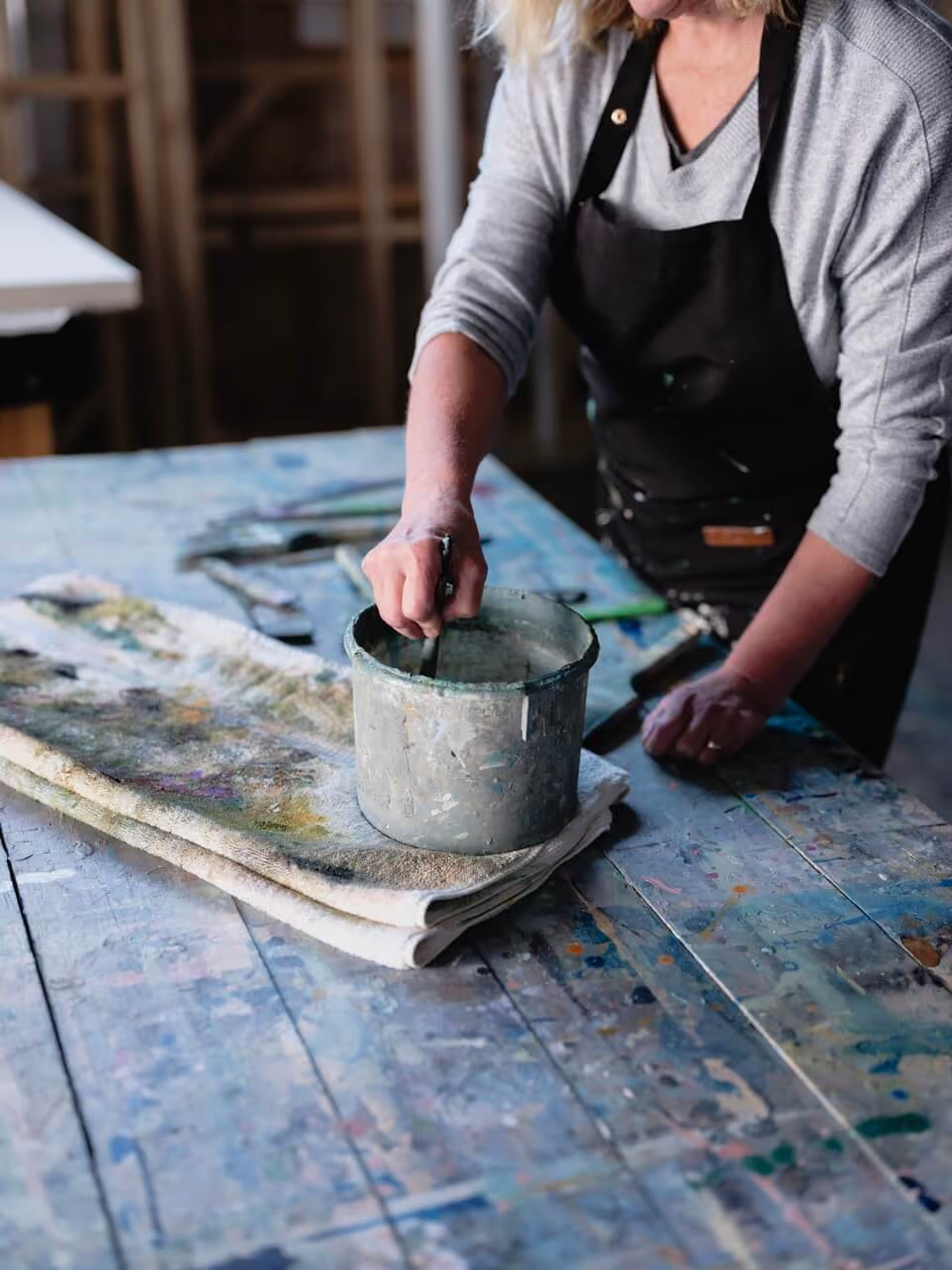
Person stirring paint in a bucket on a paint-splattered table with cloth underneath.

What You’ll Learn

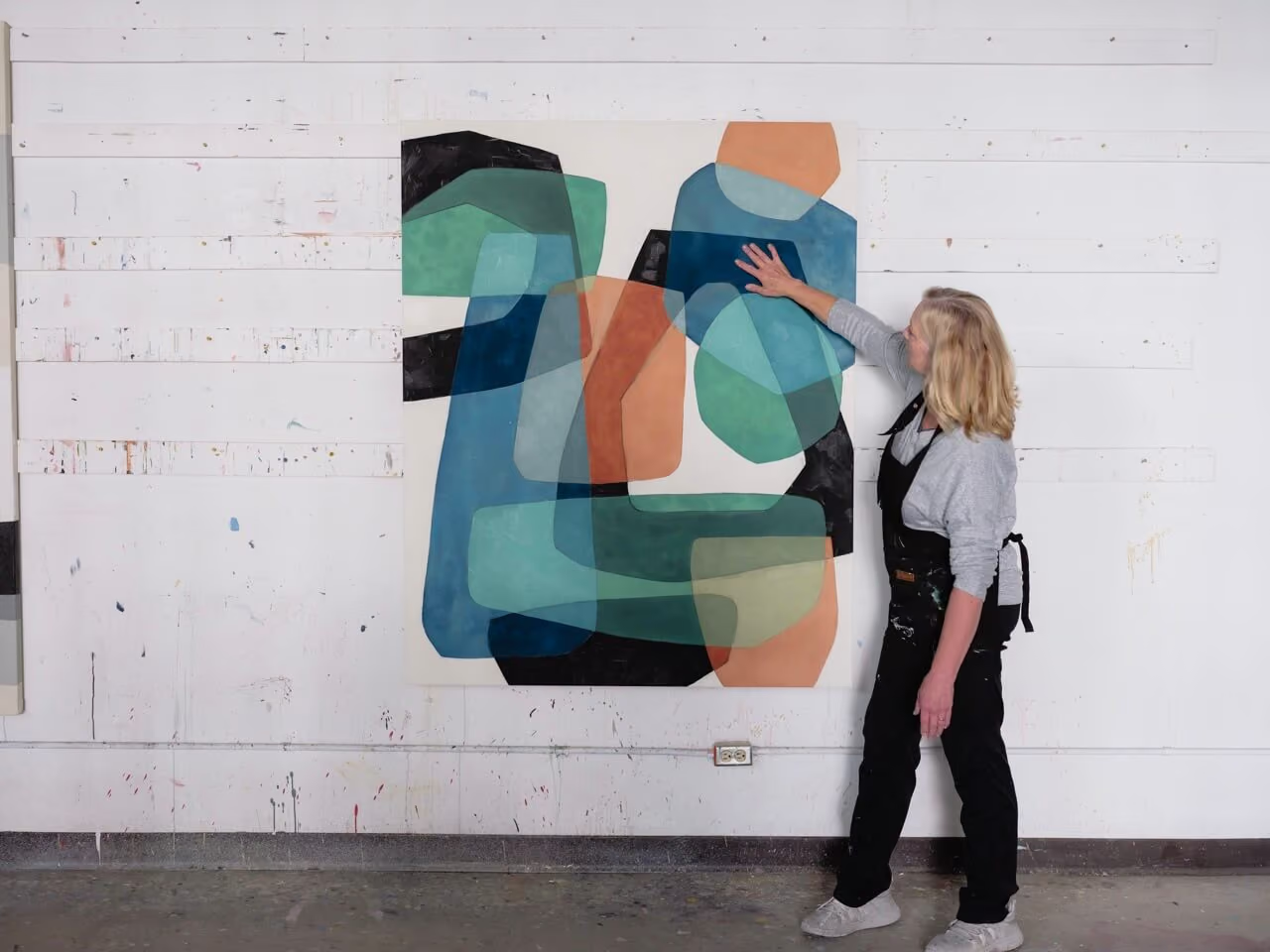
Artist in black apron touching a large abstract painting with layered blue, green, orange, and black shapes.

Why composition problems — not color problems — are behind most paintings that don’t quite work

How to generate original, interlocking shapes using Wendy’s everyday object tracing method

How to build and test a color palette

How to plan value distribution before paint touches the canvas — using the three-tone system and the 70/20/10 rule

How to layer watery washes and charged color across two painting sessions on raw canvas

When and how to introduce opaque marks — and why black and white arrive last, even in the opaque stage

How to assess and adjust — glazing, selective removal, and the eye that reads the work honestly
What's Inside

Carefully crafted modules that take you inside Wendy’s complete process — from the first design decision to a finished, resolved painting on raw canvas.

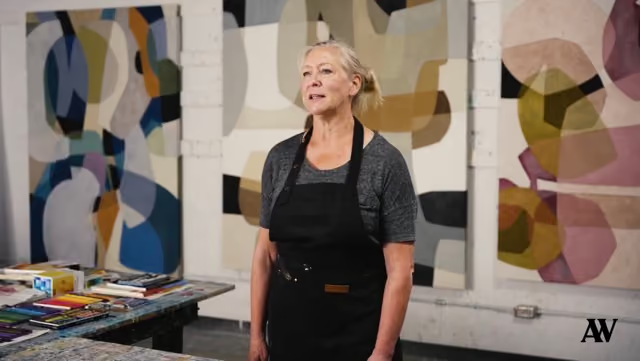
Woman artist in black apron standing in studio with abstract paintings on the walls behind her.

Introduction

Wendy introduces herself, her studio, and the philosophy behind the course.

Woman artist in black apron standing behind a paint-covered table in a studio with abstract art on walls.

Creative Approach

The watercolor roots, the bones philosophy, and why preparation is what sets the brush free.

Woman wearing black apron stands in front of abstract paintings in an art studio.

Inspiration & Influences

Wendy’s visual world: the shapes she returns to, the color she collects from life, and what her work is actually trying to feel like.

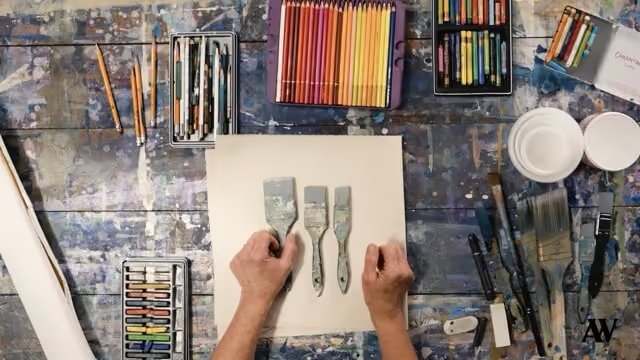
Hands holding three metal palette knives on a paint-splattered wooden table with pencils and brushes.

Tools & Materials

A straightforward walkthrough of everything on the materials list.

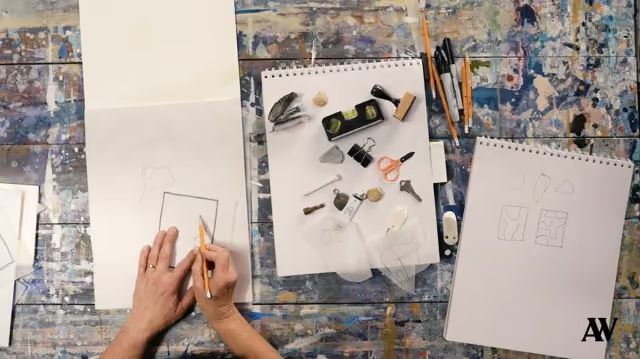
Hands drawing on sketchbooks amid art supplies scattered on a colorful, paint-splattered table.

Developing Shapes

Wendy’s tracing method — everyday objects, stacked tracing paper, and forms that couldn’t be invented. The module students ask about most.

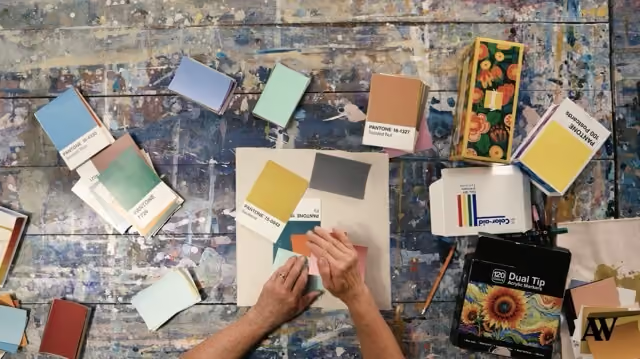
Hands arranging Pantone color swatches on a worn paint-splattered wooden surface.

Color Combinations & Palette

Building a palette from life and asking the only question that matters: What If?

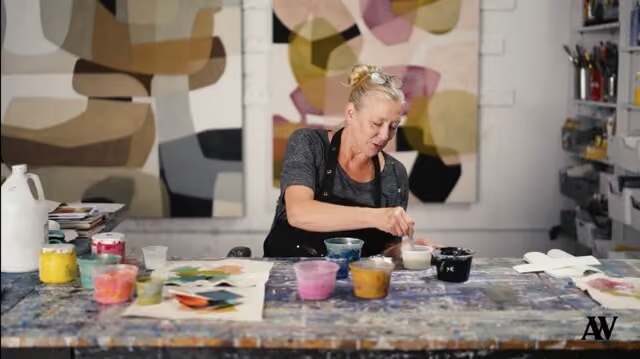
Woman artist mixing paint cups on a messy table with abstract paintings in the background.

Small Studies

Three small experiments on raw canvas before the main painting begins — removing first-mark fear.

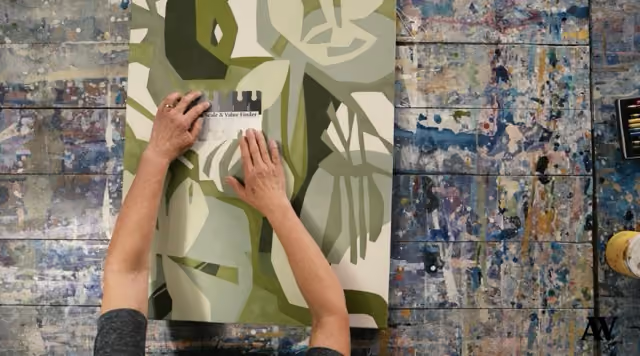
Person places a label on a green and beige abstract painting on a paint-splattered surface.

Value & Greyscale Planning

The three-tone value system and the 70/20/10 rule — why a painting that holds in greyscale will hold in color.

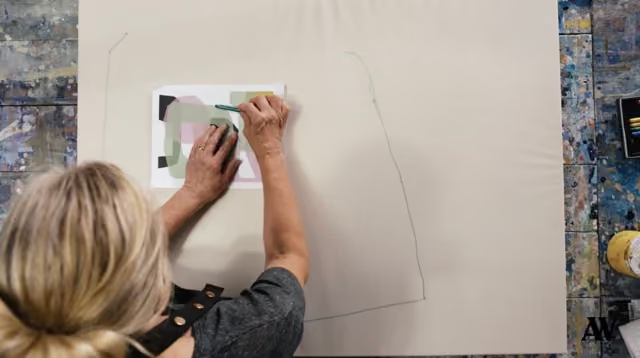
Person sketching a large outline on tan paper using a small reference image on a paint-splattered surface.

Sketching on Canvas

Transferring the composition to raw canvas with water-soluble tools that dissolve into the first wash.

Woman artist in apron working on abstract painting with purple and green shapes in studio.

Painting: First & Second Wash

Both wash layers in one module — the first on a fresh canvas, the second on a pre-dried one, with Wendy explaining the overnight practice between them.

Person painting green abstract shapes on paper with a smaller paper showing color swatches on top.

Painting: Adding Opaques

Opaque marks at the bench — shapes that come forward and define. Black and white arrive last.

Artist painting abstract overlapping shapes in muted colors on paper with brushes and paint nearby.

Painting: Assess & Adjust

The stage that separates a painting that works from one that almost works — glazing, selective removal, and the finishing decision.

Woman artist in apron thoughtfully observing her colorful abstract painting in a studio workspace.

Summary & Closing

Wendy’s closing thoughts on practice, patience, and what to carry forward.

Meet The Artist

Wendy Westlake

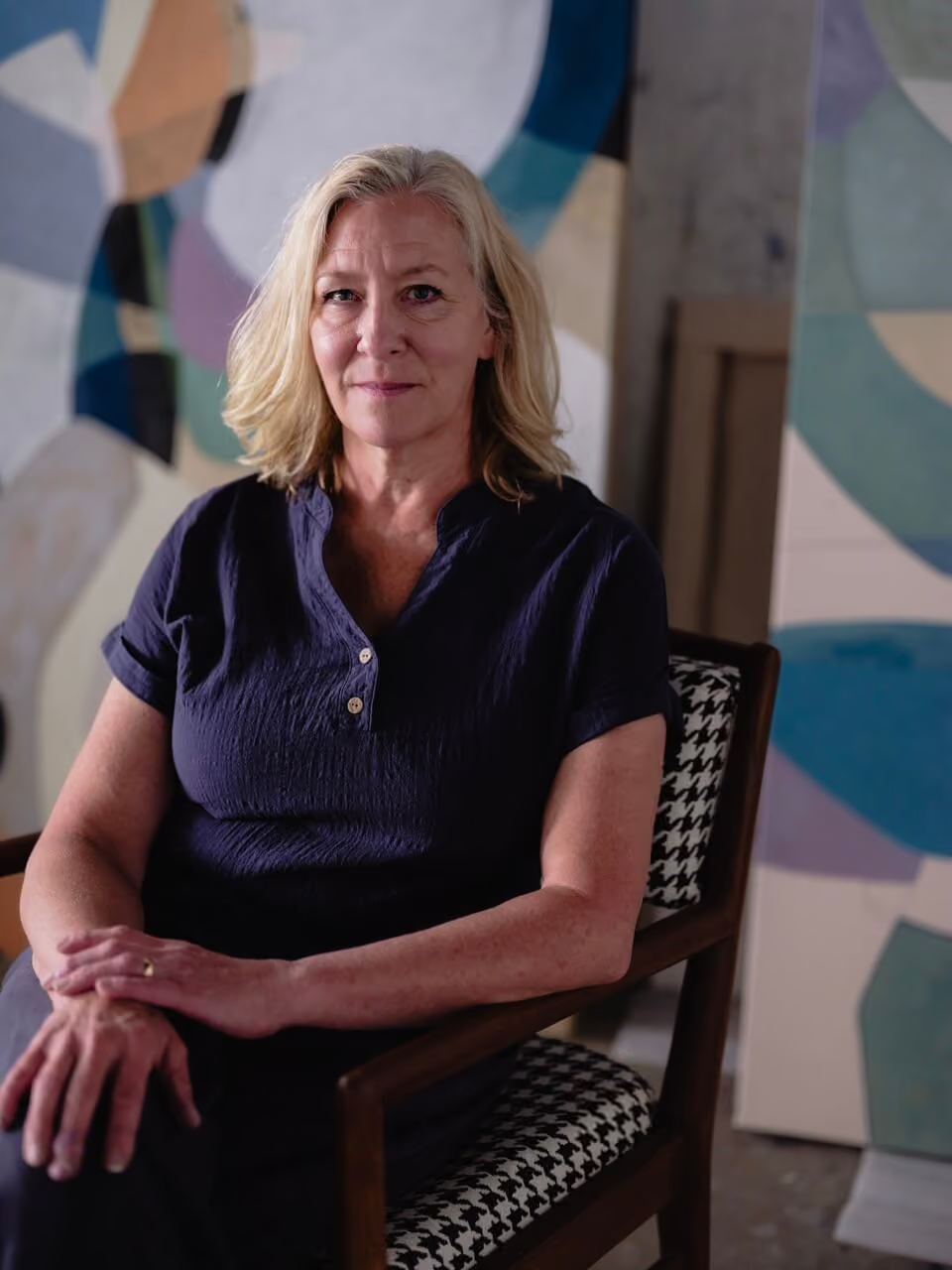
Wendy Westlake is a Minnesota-based abstract painter whose work is built on a foundation that most acrylic painters never develop — a deep design literacy rooted in years of watercolor discipline. She paints primarily on raw, ungessoed canvas, working shape by shape with watery washes, charged color, and a restraint that gives her paintings their characteristic space and authority.

“If you have good bones and proportion, you can go anywhere with color.”

Color & Composition is the first time Wendy has broken her complete process into a structured, teachable course. It covers everything from the very first design decision to the last considered mark — and it is built on the conviction that structure is not the opposite of creative freedom, but the source of it.

Middle-aged woman with blonde hair sitting on patterned chair in front of abstract colorful artwork.
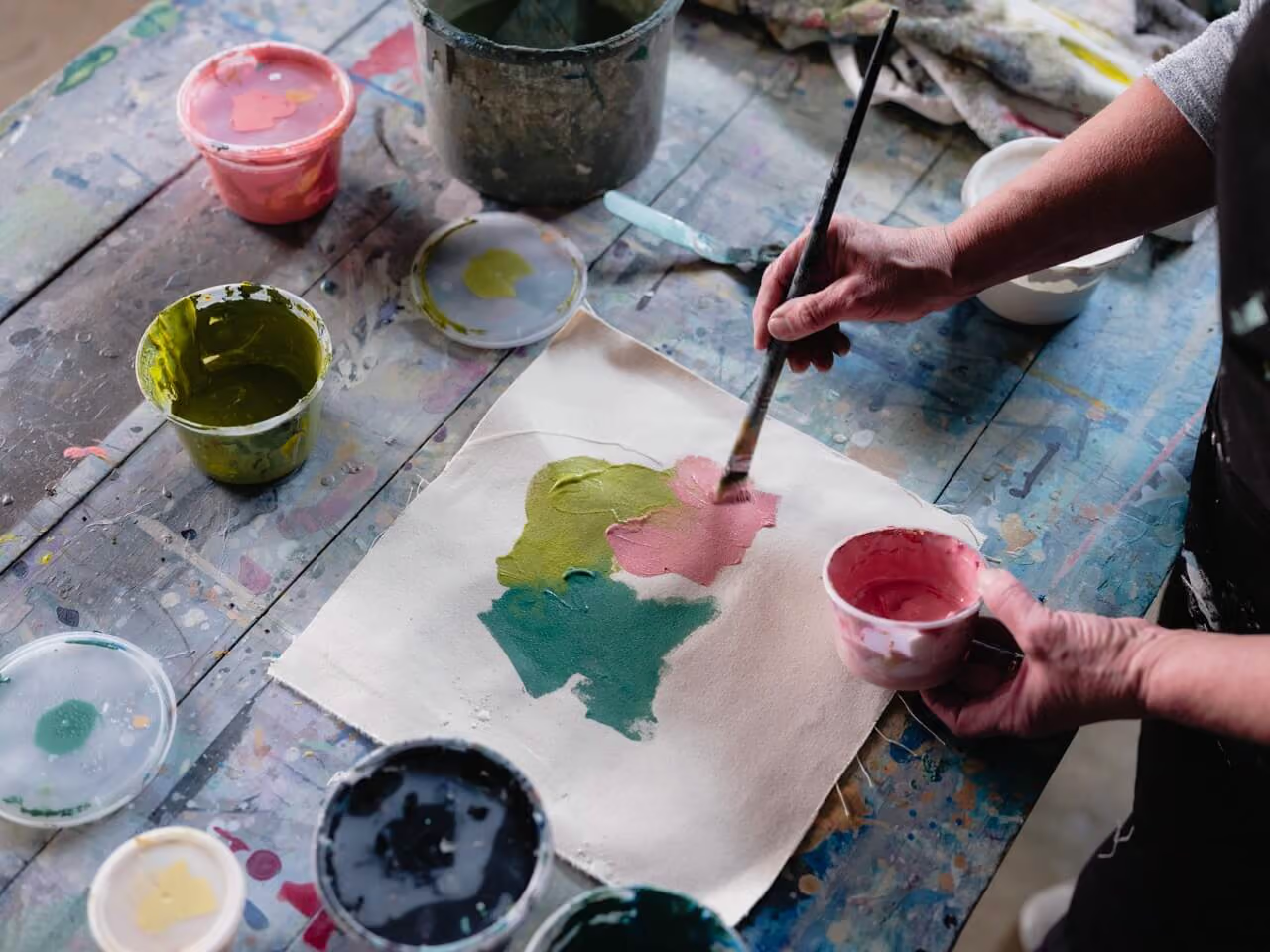
Person painting pink, green, and teal blobs on fabric with a brush over a paint-splattered table.

Who This Is For

Artists who want to understand the design thinking behind their work, not just the color choices

Beginners who want to start with a real process rather than learning to copy references

Painters who feel their work lacks cohesion — where individual elements are fine but the whole doesn’t hold together

Watercolor painters curious about what raw canvas and acrylics can do

Self-taught artists who have never been shown how to design a composition from scratch

Whatever your starting point, this course will give you a process you can return to for every painting you ever make.

What’s Included

Lifetime access to all modules and any future updates

Online art course with Color and Composition by Wendy Westlake shown on multiple devices and supply lists.
Downloadable materials list so you can gather everything before you begin
Lifetime access to all 11 modules and 2 bonus modules
Access to the private Arteway student community
Ask Wendy questions directly in the comments

Join Color and Composition

Save for a limited time only

Normal Price: $147

Today's Price: $67 USD

Launch discount expires soon!

00
Days
:
00
Hrs
:
00
Min
:
00
Sec
payment cards

100% Satisfaction Guaranteed

100% Satisfaction Guarantee

We're confident you'll love this course. If you give it a try and feel it's not right for you, just contact us within 14 days of purchase and we'll take care of you. Enroll with confidence.

Organic Abstracts | Money back guarantee badge

FREE! Bonus ($70 value)

Included with every order

Art studio with colorful abstract paintings on tables and walls amid shelves and art supplies.

Studio Tour

$35 value / FREE!

A walkthrough of Wendy’s Minnesota studio — works in progress, palette setup, and the space that makes the work.

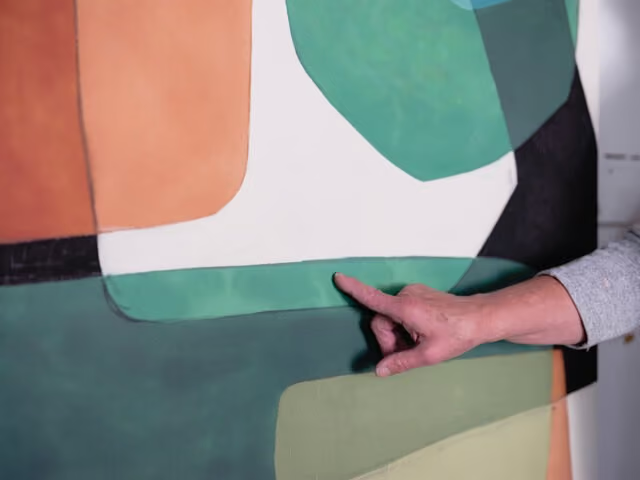
Hand pointing to an abstract painting with overlapping geometric shapes in green, black, white, orange, and beige.

Restraint: Going Deeper

$35 value / FREE!

Why leaving things out is the hardest skill in painting — and how Wendy developed the instinct to remove rather than add.

FAQ

Raw (ungessoed) canvas, acrylic paints, a large angle brush, water-soluble pencils and crayons, tracing paper, and a few takeaway containers for mixing. Wendy walks through everything in Module 3 — nothing on the list is expensive or hard to find.

No. Wendy’s process is learnable from the beginning — she teaches the design thinking behind her work, not just the brushwork. If you can hold a pencil, you can follow this course.

Pre-recorded, so you can work through it at your own pace and return to any module whenever you need it.

Lifetime access. The course is yours to return to as many times as you like.

We offer a 14-day satisfaction guarantee. If the course isn’t right for you, contact us within 14 days of purchase for a full refund — no questions asked.

Yes. Color & Composition is built entirely around Wendy’s design-first approach — her watercolor roots, her proprietary shape-finding method, and her philosophy that composition must be resolved before color decisions are made. It’s a course about designing paintings, not just painting them.